In this story
A note from Common Ground
Project editorial: sourced details are separated from imagined practice scenes.
Meet a teaching example
Wu Gongfu appears in Columbia University’s Chinese Names teaching page. It is an instructional example, not someone interviewed for this article. The page identifies Wu as the family name and Gongfu as the given name. For an English reader accustomed to putting a family name last, that small example changes how the line is read. [S1]
Try reading it without silently rearranging it. A name can arrive in an order different from the boxes on a familiar form. Recognizing that possibility is a practical skill, whether you are preparing an event badge, saving a contact, or introducing a new colleague.
Media selection · Reviewed by the project owner on November 5, 2026. Context images do not replace the story’s cited evidence.
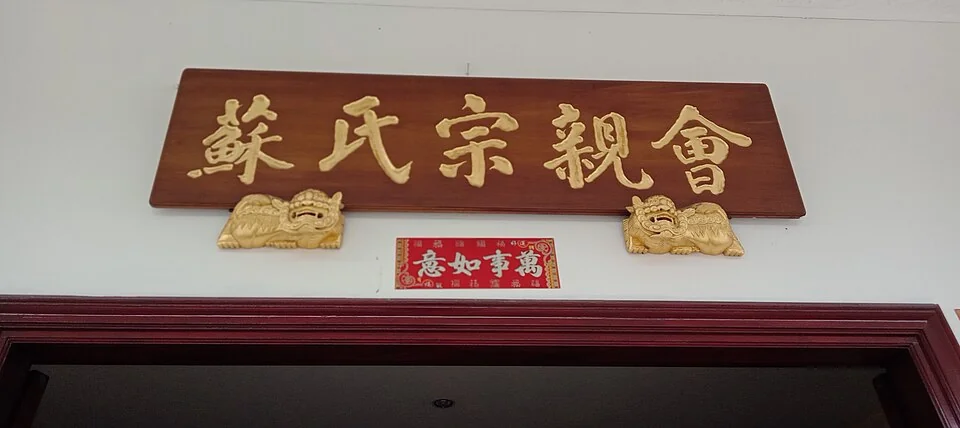
A clan-association sign carries a surname in a public setting. Individuals can tell you how they prefer to be addressed.
Image source & license
Cun Cun · CC BY-SA 4.0. WebP delivery copy; resized if needed, composition unchanged. Original image & full credit · License
Order is a clue
The International Federation of Library Associations and Institutions describes family-name-first ordering for modern mainland Chinese names. Wang Xiuying illustrates that modern pattern; the historical name Sima Qian illustrates a compound surname. The guide also notes reversed order in some romanized names and naming patterns among some ethnic minorities that do not include a family name. [S2]
Those distinctions matter. A common pattern is a starting clue, not a tool for overriding someone’s own introduction. Do not assume that every Chinese person, or every person of Chinese heritage in the United States, fits one structure. A familiar-looking sequence can still be ambiguous to an outsider.
The badge-table moment
Imagine an invented scene at a neighborhood workshop. You are writing badges, and a participant gives you a name you have not encountered. Ask how they would like it written and what they would like you to call them. If you need a surname for a registration field, explain that specific need.
Repeat the pronunciation once if they are comfortable helping. Keep the spelling and spacing they provide rather than shortening the name to make your badge layout easier. You can enlarge the writing area instead. Nobody needs to offer a second name merely because the first one is unfamiliar to you.
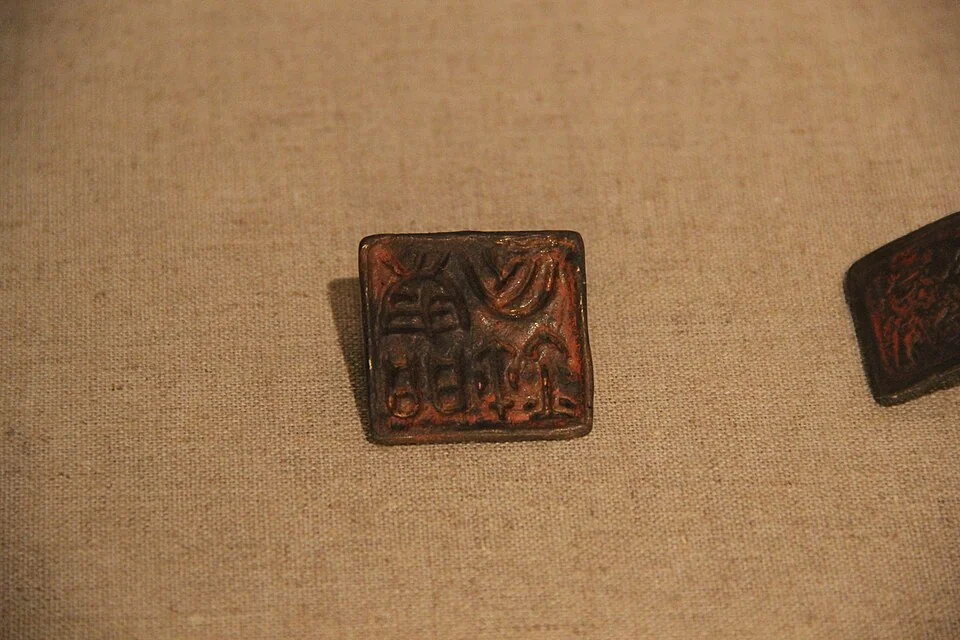
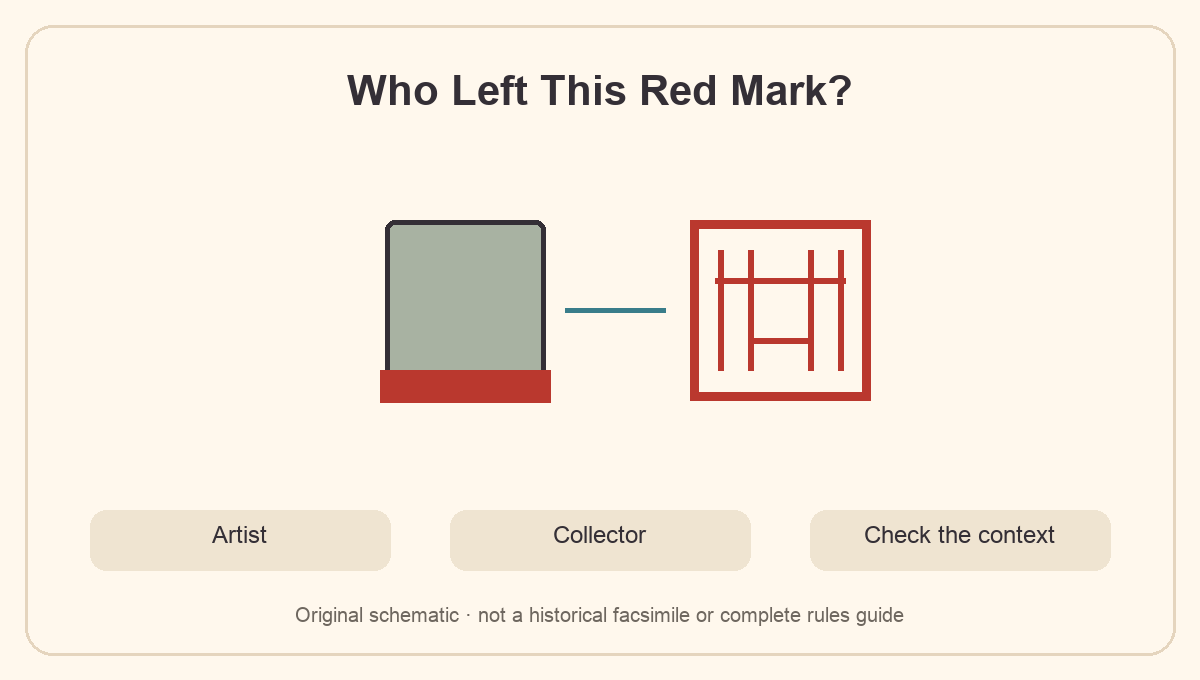
A bronze seal inscription in a museum record. Writing, naming and pronunciation invite different questions.
Image source & license
Gary Todd · CC0. WebP delivery copy; resized if needed, composition unchanged. Original image & full credit · License
Leave room for a person
Columbia’s example helps us notice a naming order; the cataloging guide helps us notice exceptions. Neither document can decide how a particular guest wants to be addressed today. That decision belongs in the conversation. A considerate introduction starts by listening and leaves room for the person to correct you.
For a field note, write the pattern you learned and the question you would ask next time. Avoid recording another person’s full name without a reason. The useful souvenir is a better habit of attention, not a collection of strangers’ personal details.
3 optional questionsWant a tiny challenge?
A little practice, with room to try again.
Want a tiny challenge?
A little practice, with room to try again.
How did this land?
Just your reaction, kept in this browser. Tap again to change your mind.
A little trail to follow.
Want to dig into a detail? These links take you to the original sources. Our suggestions and imagined examples are labeled in the story.
- Columbia University: Chinese Names (opens in a new tab)
Wu Gongfu example identifies Wu as surname and Gongfu as given name.
- IFLA: Names of Persons—Chinese Names (opens in a new tab)
2020 cataloging guide, pages 1–2: mainland ordering, Sima compound surname, reversed romanization and minority exceptions.
What did you notice, what supports it, and what remains open?
Your question, a memory, a different way your family does things — there's room for it here. These notes are just for you in this browser.
Downloads and copies include notes and corrections for this story. To send it to us, attach it yourself in an email to support@goodbye.help. Saved stories and practice scores stay out of the download.