In this story
A note from Common Ground
An invitation to dinner can bring a happy mix of curiosity and nerves. This story offers a little background and a few ways to start a conversation, so you can arrive with interest and leave room for your hosts' own traditions.
Begin with the invitation
Imagine a friend invites you to Lunar New Year dinner. You want to join in, but you have questions. Should you bring food? Learn a greeting? Dress up? Start by asking the person who invited you what the evening will involve.
This guide focuses on a Chinese-family celebration. The Library of Congress describes the holiday’s Chinese Spring Festival context and differences among regional and family traditions. [S05]
Our guest advice is deliberately light: get the plan from your host, then prepare for that gathering. You do not need to memorize a long etiquette list before accepting an invitation.
Media selection · Reviewed by the project owner on November 5, 2026. Context images do not replace the story’s cited evidence.
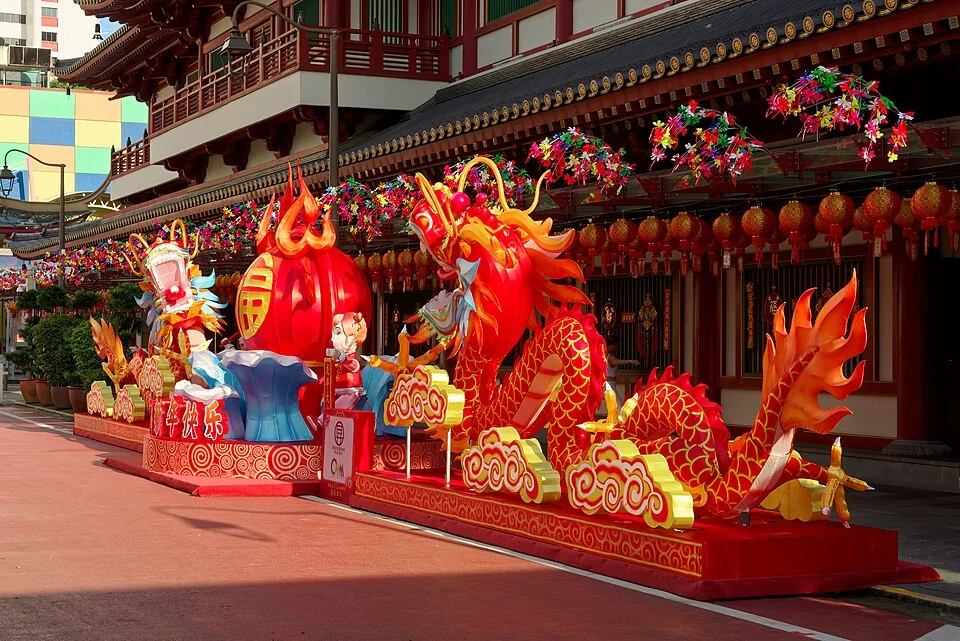
Public Lunar New Year decorations. Look for the details that make this particular display its own.
Image source & license
Jakub Hałun · CC BY 4.0. WebP delivery copy; resized if needed, composition unchanged. Original image & full credit · License
Make room for a monster story
In one Nian folk tale described by the Library of Congress, a frightening creature threatens a village. An older man drives it away with red clothing and loud firecrackers. [S05]
Enjoy it as a folk tale. A memorable story can connect sights and sounds with a celebration without proving the exact historical origin of every custom. It also does not tell you which stories a particular household shares.
If conversation allows, you might ask whether anyone grew up hearing it. Someone may know a different version or have no connection to it. Let the answer lead the conversation instead of treating your reading as a script everyone must follow.
A celebration in Washington, D.C.
A Library of Congress photograph records a Chinese New Year parade and celebration in Washington, D.C.’s Chinatown. [S06]
For a guest in the United States, that photograph offers a familiar setting: a neighborhood celebration. Learning about the holiday might lead you toward local community history as well as the people hosting your dinner.
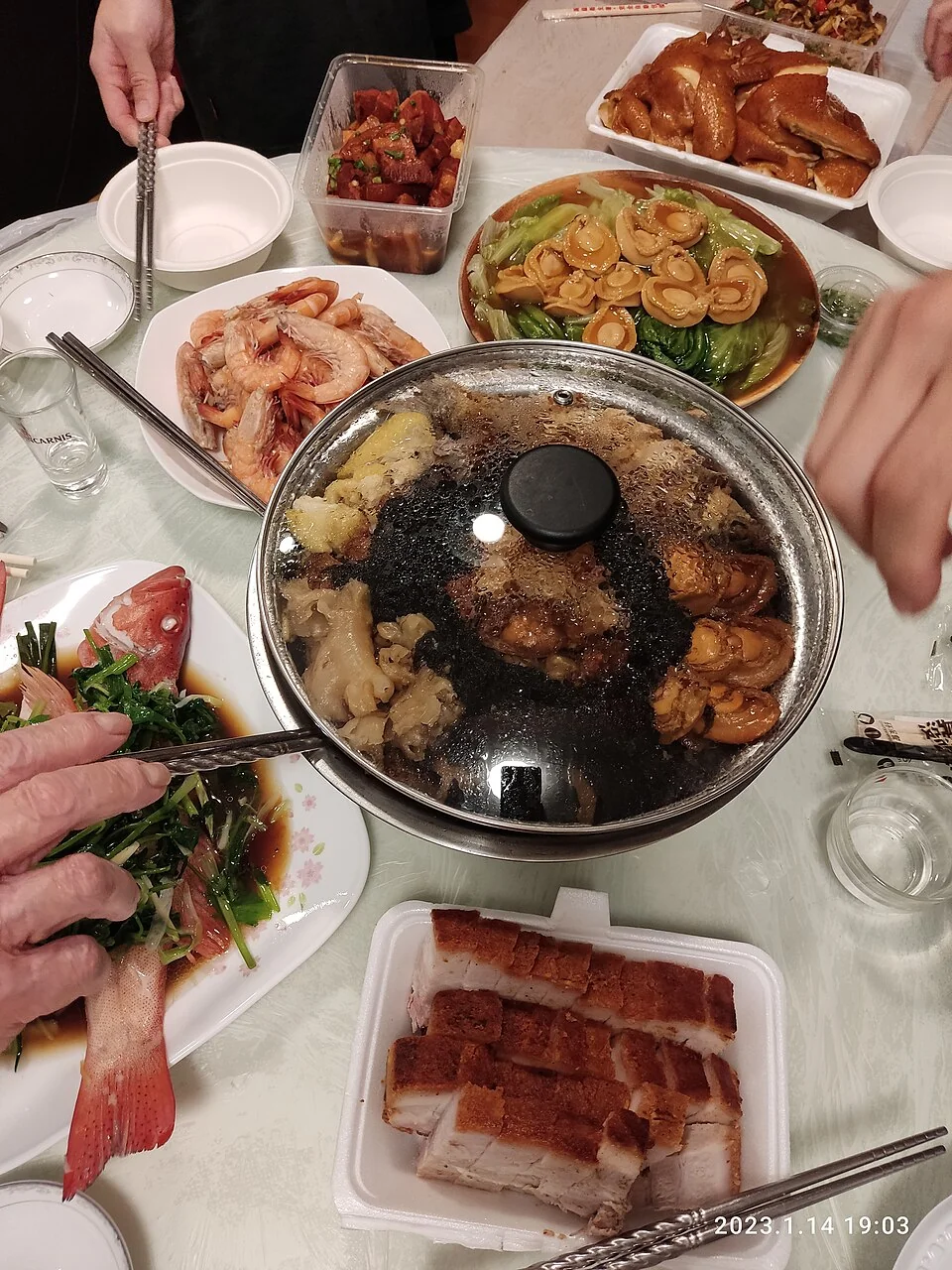
One reunion meal, seen close up. Your host’s invitation is a better guide than a generic holiday menu.
Image source & license
Hoanseum ShekymrE · CC BY-SA 4.0. WebP delivery copy; resized if needed, composition unchanged. Original image & full credit · License
Ask, check, join
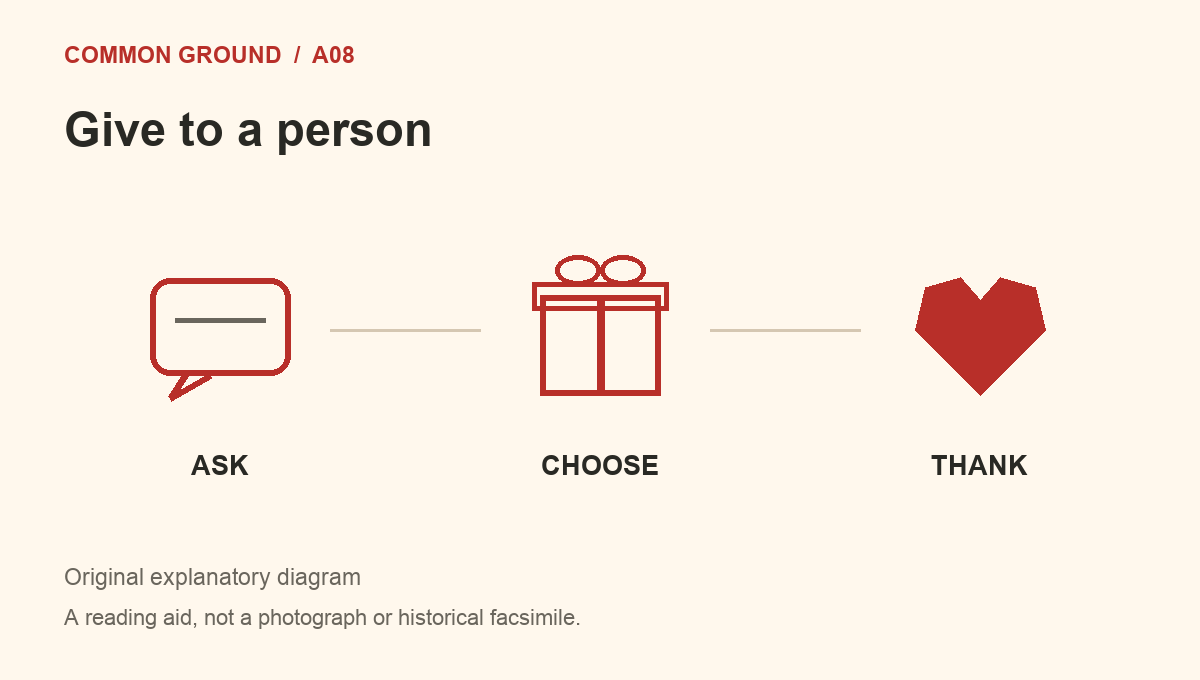
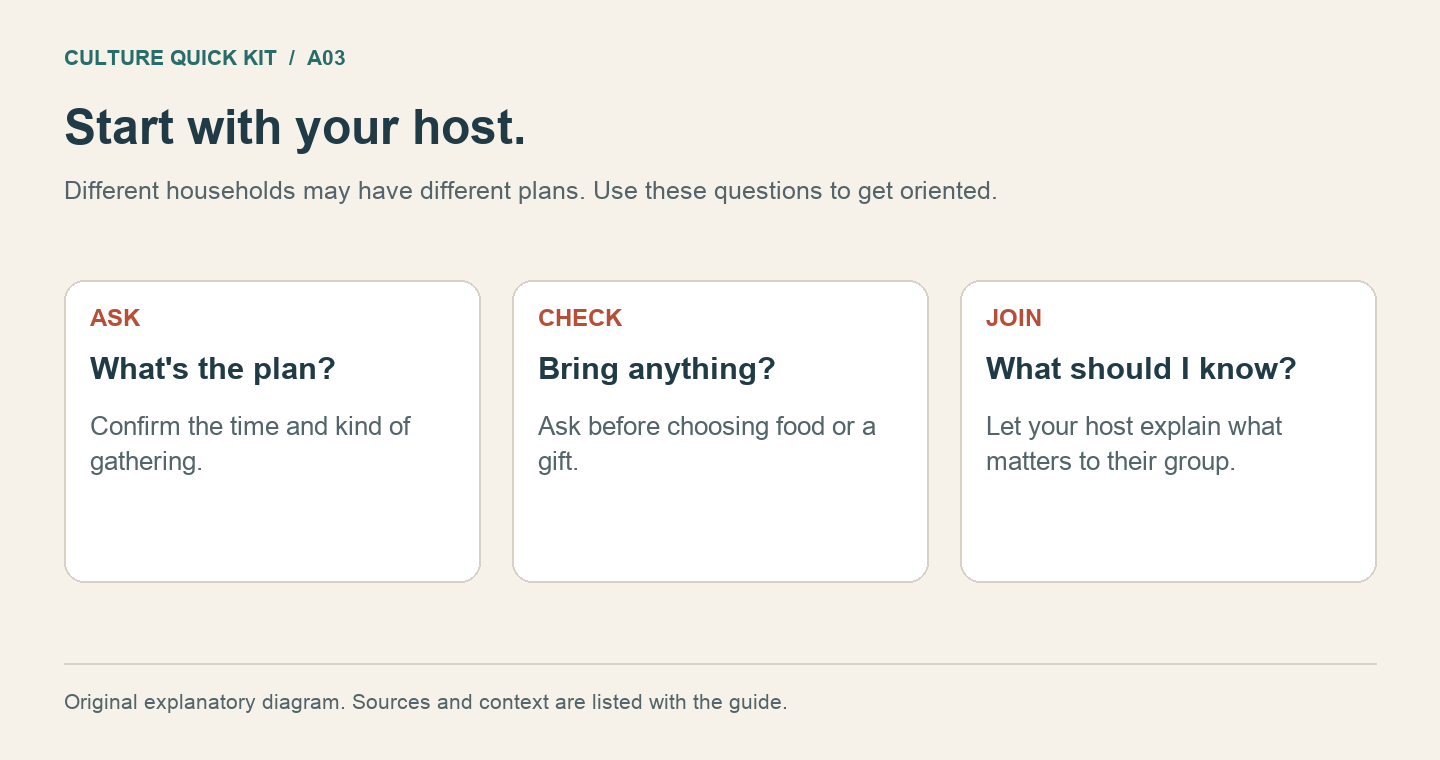
For the imagined dinner, ask when to arrive and what the plan includes. Then check before bringing something. If food would help, ask what fits the meal. If you are unsure about a gift or red envelope, ask your friend privately rather than guessing an amount.
The Library of Congress discusses food traditions including dumplings, fish, and meat-free meals. Those examples reflect variation, not a menu to expect at every table. [S05]
Once there, follow your host’s lead. You might ask what a dish means to the person serving it, while leaving them free to enjoy dinner without giving a lesson. If another guest describes a different family practice, listen without deciding which household has the correct celebration.
A useful message could be: “Thanks for inviting me! What time should I arrive, and would you like me to bring anything?” That is our suggested starting point. The next step is to hear what your friend says and make room for their evening.
3 optional questionsWant a tiny challenge?
A little practice, with room to try again.
Want a tiny challenge?
A little practice, with room to try again.
How did this land?
Just your reaction, kept in this browser. Tap again to change your mind.
A little trail to follow.
Want to dig into a detail? These links take you to the original sources. Our suggestions and imagined examples are labeled in the story.
- Library of Congress: Celebrating Lunar New Year (opens in a new tab)
Dianne Choie’s 2024 background article includes a Nian folk tale and examples of family and regional traditions. It is not a calendar for a future celebration.
- Library of Congress: Chinatown celebration in Washington, D.C. (opens in a new tab)
The catalog dates the photograph to between 1980 and 2006. That range does not establish an exact year or day; the record also links to catalog data.
When you're invited to a celebration that's new to you, what are you most curious about?
Your question, a memory, a different way your family does things — there's room for it here. These notes are just for you in this browser.
Downloads and copies include notes and corrections for this story. To send it to us, attach it yourself in an email to support@goodbye.help. Saved stories and practice scores stay out of the download.